5 "Safe" Investments That Actually Grow Your Money
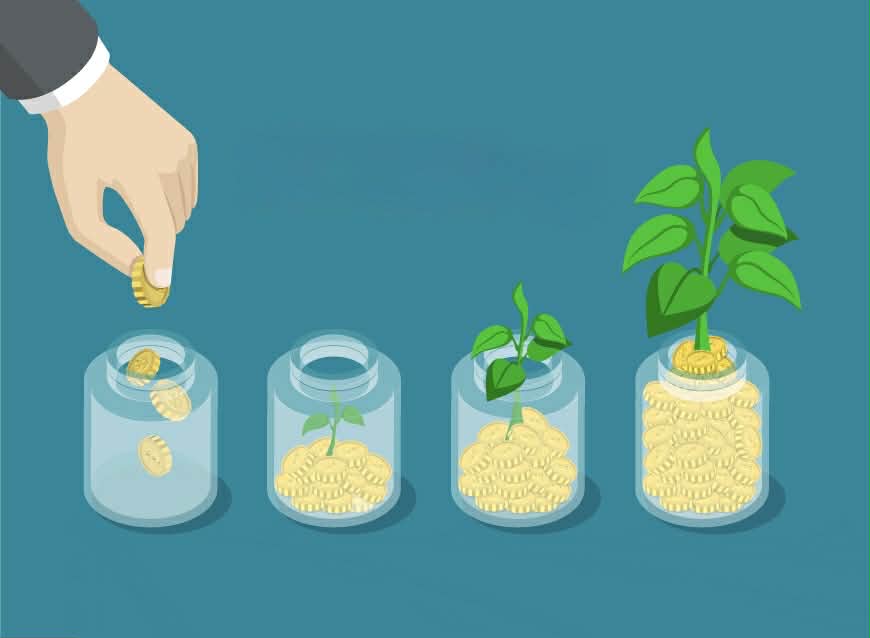
The word "investing" sounds scary. You probably imagine flashing stock market screens, people yelling on trading floors, or losing your hard-earned money overnight.
So you do nothing. You leave your money in a regular bank account earning 0.01% interest. And that feels safe. Doing nothing is actually risky. Inflation (the rising cost of everything) quietly steals 2–3% of your money's value every year. That €1,000 sitting in cash today will only buy €970 worth of stuff next year.
The good news? You don't need to gamble on risky stocks to grow your money. There are genuinely safe investments that protect your money and help it grow.
Here are 5 safe investments that actually work - without requiring you to be a financial expert.
1. High-Yield Savings Accounts (Safety Level: ★★★★★)
This is the safest place for your money. No risk. No surprises. No losing value overnight.
A high-yield savings account works just like your regular bank account but it pays you much more interest. In 2026, many online banks offer 3–5% APY (annual percentage yield).
How it works: You deposit money. The bank pays you interest every month. Your money never goes down. And you can withdraw it anytime. Your money is usually insured (up to a certain amount depending on your country).
Realistic returns are €10,000 at 4% earns you €400 per year. That's €400 for doing absolutely nothing.
The catch: Returns are modest. You won't get rich. But your money stays completely safe.
2. Certificates of Deposit (CDs) / Term Deposits (Safety Level: ★★★★★)
A CD (or term deposit) is like a high-yield savings account with one small rule: You agree to leave your money alone for a fixed period — usually 3 months to 5 years. In exchange, the bank gives you a higher interest rate than a regular savings account.
How it works: You deposit €5,000 for 1 year at 5%. After 12 months, you get back €5,250. No risk. Guaranteed return.
Realistic returns are 4–6% depending on the term length. Longer terms usually pay more.
Who it's for: Money you know you won't need for a specific time period (e.g., saving for a house down payment in 2 years).
The catch: If you withdraw early, you pay a penalty (usually a few months of interest). So only use this for money you can truly leave alone.
3. Treasury Bills (Government Bonds) (Safety Level: ★★★★☆)
Government bonds are considered one of the safest investments in the world. When you buy a bond, you're essentially lending money to a government, and they pay you interest in return. Governments rarely default (especially stable ones like the US, Germany, or France).
How it works: You buy a 6-month or 1-year Treasury bill for slightly less than its face value. Example: Pay €980 today. Get €1,000 in 6 months. That €20 difference is your return. Realistic returns are 4–5.5% depending on your country and current rates.
Who it's for: People who want slightly better returns than a savings account and don't need instant access to their cash.
The catch: Returns are usually lower than stocks, and inflation can reduce your real earnings.
4. Real Estate (Rental Properties or REITs) (Safety Level: ★★★☆☆)
Real estate is one of the most reliable ways to build long-term wealth. It offers both appreciation (property value increases) and income (rent payments).
There are actually two paths to real estate investing: direct ownership (buying rental properties) and REITs (Real Estate Investment Trusts).
Path 1: Rental Properties (Active, High Reward)
You buy a house or apartment and rent it out. The tenant pays you monthly rent. Over time, the property value may increase. This can generate excellent returns (8–12% or more). But it’s not passive. You’ll deal with maintenance, vacancies, difficult tenants, and repairs. It also requires a large down payment (often €20,000–€50,000 or more). For the right person, it’s wealth-building gold. For everyone else, it’s a second job.
Path 2: REITs (Passive, Low Entry)
A REIT is a company that owns and operates income-producing real estate—apartment buildings, shopping malls, office towers, hotels, or storage units. You buy shares of the REIT just like you’d buy shares of Apple or Coca-Cola. The REIT collects rent from all its properties, then legally must pay out 90% of its taxable income to shareholders as dividends. You get paid cash every quarter without ever fixing a pipe or evicting a tenant. Realistic returns are 4–8% annually from dividends + potential price growth.
The catch: It requires upfront capital (for physical property). REITs can go down in value during economic crashes (like 2008 or 2020). But historically, they recover and continue paying dividends. They’re best held for 5+ years.
Bottom line: If you have €30,000+ and enjoy hands-on work, buy a rental property. If you have €50 and want passive income, buy REITs. Both put real estate to work for you.
5. Dividend Aristocrats (Safety Level: ★★★☆☆)
This is the "riskiest" on this list — but still considered very safe by investing standards.
Dividend Aristocrats are large, well-established companies that have paid and increased their dividends every year for 25+ years.
These companies sell everyday products people buy even during recessions (soap, food, medicine, toothpaste). Their stock prices don't jump wildly, and they pay you cash every quarter just for owning shares.
How it works: You buy shares of a Dividend Aristocrat ETF (like NOBL or SCHD) or individual companies. Every 3 months, cash appears in your account. Realistic returns are 6–9% per year on average (including both dividend payments and slow price growth).
Who it's for: Long-term savers (5+ years) who want both safety and meaningful growth.
The catch: Stock prices can still fluctuate, so it’s important to invest in strong, reliable companies.
The Most Common Mistake (And How to Avoid It)
Many people chase "safe" investments that pay 10–15% — like crypto staking, peer-to-peer lending, or "guaranteed returns" from sketchy companies.
Those aren't safe. They're traps.
A simple rule: If someone promises more than 6–7% with "no risk," they're lying. Real safe investments pay 3–6%. That's the honest range.
The Real Secret: Time + Consistency
Even the safest investments won’t grow your money overnight. The key is:
- Investing consistently (monthly if possible)
- Staying invested for the long term
- Avoiding emotional decisions during market ups and downs
For example, investing just €100/month with an average 8% return can grow to over €150,000 in 25 years. That’s the power of compounding.
Safe Doesn't Mean Zero Return
For years, I kept all my money in a regular bank account earning 0.1%. I thought I was being smart. I was actually losing money to inflation every single year.
Moving that money to a high-yield savings account (4%) turned my "losing" money into earning money. Same safety. Same access. Just €400 more per year for 10 minutes of work.
You don't need to gamble to grow your money. You just need to stop accepting 0.01% as "normal."
If you’re just getting started, don’t overthink it. Pick one or two, stay consistent, and let time do the work.
Your future self will thank you.