Buy Now Pay Later: Hidden Traps You Need to Know
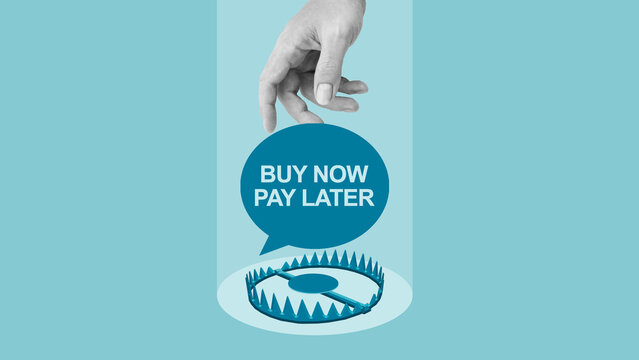
What Is Buy Now Pay Later - And Why Is Everyone Using It?
Buy Now Pay Later (BNPL) services like Klarna, Afterpay, Affirm, and PayPal Pay Later have exploded in popularity. It's easy to see why: you get your item now, split the cost into smaller payments, and often pay zero interest at least on the surface.
But millions of shoppers are falling into financial traps they never saw coming.
This guide breaks down exactly how BNPL works, where the hidden dangers live, and how to use these services without wrecking your finances.
How Does Buy Now Pay Later Actually Work?
When you check out online or in-store, BNPL services offer to split your total into equal installments typically four payments over six weeks, though longer plans exist.
The catch? The retailer pays the BNPL company a fee. The BNPL company makes money from you through late fees, interest on longer plans, and by selling your spending data. It feels free. It rarely is.
The Hidden Traps Nobody Warns You About
1. Late Fees That Spiral Fast
Miss a payment even by one day and fees kick in immediately. Some providers charge a flat fee per missed payment. Others charge a percentage of the outstanding balance. These fees can add up to 25% of your original purchase cost if you miss multiple payments.
Always check the late fee structure before you commit. What looks like a "free" payment plan can become an expensive one overnight.
2. Multiple Plans Destroying Your Budget
One of the most common BNPL debt traps is running several plans at once without realizing the total owed. You might have $80 remaining on a clothing purchase, $120 left on electronics, and $60 due on a beauty order. Suddenly you owe $260 this month from purchases that each felt small individually.
This is called payment stacking, and it's one of the leading causes of BNPL-related financial stress.
3. The Credit Score Impact Nobody Mentions
This one surprises most people. Soft credit checks (used by many BNPL apps) don't affect your score. Hard credit checks (used for longer financing plans) can temporarily lower it. Missed payments on some plans are reported to credit bureaus and can stay on your record for years. Even when payments aren't reported, your debt-to-income ratio may still be assessed by lenders when you apply for a mortgage or car loan.
Always ask: does this BNPL plan report to credit bureaus?
4. Impulse Buying Is Baked Into the Design
BNPL is strategically placed at checkout to reduce the psychological weight of your purchase. Seeing "$25 per installment" instead of "$100 total" makes your brain process the cost very differently. Studies show BNPL users spend 10–40% more per transaction compared to paying upfront. The product hasn't changed your perception of affordability has. That's by design.
5. Returns and Refunds Are Complicated
Returning a BNPL purchase is not the same as returning a credit card purchase. You may still owe installments while your refund is being processed which can take weeks. During that time, a missed payment triggers fees even if the item is sitting in a return box.
Always confirm the BNPL provider's refund policy before you buy.
6. Interest Rates on Longer Plans Are Steep
"Zero interest" usually applies to short-term plans (4 payments over 6 weeks). Switch to a 6-month or 12-month plan and interest rates can jump to 15–36% APR higher than many credit cards. Always calculate the total cost of a longer plan. If you can't pay it off in 6 weeks, ask yourself whether you can truly afford it at all.
7. Limited Consumer Protections
Credit cards come with built-in protections: chargeback rights, purchase protection, fraud liability limits. Most BNPL services offer far less. If a merchant goes out of business or ships a defective product, getting your money back through a BNPL provider can be much harder than through your bank.
Is Buy Now Pay Later Ever a Smart Choice?
Yes — when used strategically. BNPL makes sense when you're buying something you'd purchase in cash anyway, you're using a zero-interest short-term plan and will have the money for each payment, and you have only one active plan tracked in your budget. It becomes dangerous when it replaces savings, enables impulsive spending, or piles up across multiple simultaneous plans.
How to Protect Yourself When Using BNPL
A practical checklist before clicking "Pay in installments":
- Read the late fee policy know what happens if you miss even one payment.
- Check whether the plan does a hard credit inquiry.
- Add every installment to your budget before confirming the purchase.
- Limit yourself to one active plan at a time until you're confident managing them.
- Confirm the refund process, especially for higher-value purchases.
- Never use BNPL for essentials like groceries or bills it makes the situation worse, not better.
Final Thoughts: Convenience With a Cost
Buy Now Pay Later isn't inherently bad but it's deliberately designed to make spending easier and saving harder. Understanding how it really works puts you back in control. Use it as a budgeting tool, not as a way to afford things you can't.
If it feels like free money, that's the trap.