How Credit Cards Actually Work
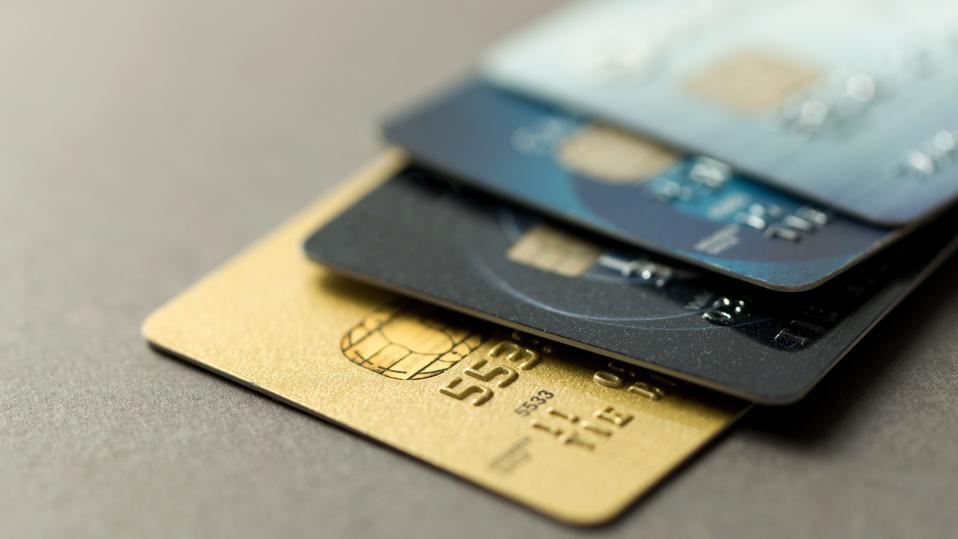
Credit cards are one of the most widely used financial tools in the world and one of the least understood. Most people know they can spend now and pay later. Fewer understand how interest compounds daily, why the minimum payment is designed to keep you in debt, or what a credit limit actually signals to lenders. This guide explains all of it, plainly.
What Actually Happens Every Time You Use a Credit Card
When you pay with a credit card, you're not spending your own money you're borrowing from the card issuer (your bank or financial institution) with a promise to repay. The card company pays the merchant immediately on your behalf, and you owe that amount to the card issuer.
Here's the chain of events that happens in seconds every time you tap or swipe:
1 You make a purchase
Your card details are sent to the merchant's payment terminal, which contacts the card network (Visa, Mastercard, Amex) to verify and authorise the transaction.
2 The card issuer approves and pays the merchant
Your bank confirms you have available credit and pays the merchant typically within 1–3 business days. The merchant receives slightly less than the full amount due to interchange fees.
3 Your balance increases
The purchase amount is added to your outstanding credit card balance. You now owe this money to the card issuer.
4 Your billing cycle closes
At the end of your monthly billing cycle, a statement is generated showing your total balance, minimum payment due, and payment due date.
5 You pay and interest is calculated based on what you do next
If you pay the full balance by the due date, you owe zero interest. If you pay anything less than the full balance, interest charges begin and this is where most people lose money.
How Credit Card Interest Is Calculated - and Why It's So Expensive
Credit card interest is expressed as an Annual Percentage Rate (APR) - but it doesn't charge you once a year. It compounds daily. Your annual rate is divided by 365 to get a daily periodic rate, and that rate is applied to your average daily balance every single day you carry a balance.
The average credit card APR in Europe and the US currently sits between 18% and 24%. Here's what that actually means in practice:
Real-world example: €1,000 balance at 20% APR, minimum payments only
Starting balance - €1,000
Minimum payment (2% of balance) - ~€20/month
Time to pay off at minimum payments - ~7.5 years
Total interest paid - ~€860
Total cost of that €1,000 purchase - ~€1,860
That's the minimum payment trap. Card issuers set minimums low often 1–2% of your balance because the longer you carry debt, the more interest they collect. The minimum payment barely covers the monthly interest charge, leaving your principal almost untouched month after month.
⚠️ The grace period and how you lose it: Most credit cards offer a grace period of 21–30 days between your statement closing and your payment due date during which no interest accrues but only if you paid your previous balance in full. Once you carry a balance from one month to the next, you lose the grace period entirely, and new purchases start accruing interest from the day you make them.
Credit Card Terms Explained in Plain English
APR (Annual Percentage Rate) - your yearly interest rate. Divide by 365 for your daily rate. Higher = more expensive to carry a balance.
Credit Limit - The maximum balance the issuer allows you to carry. Determined by your credit score, income, and history.
Billing Cycle - The monthly period during which your transactions are recorded, typically 28–31 days.
Statement Balance - The total amount owed at the end of your billing cycle. Paying this in full avoids all interest.
Minimum Payment - The smallest amount you can pay without a late fee. Designed to extend your debt not clear it.
Credit Utilisation - Your balance as a percentage of your credit limit. Below 30% is considered healthy for your credit score.
Cash Advance - Withdrawing cash from a credit card. Typically carries a higher APR, fees, and no grace period one of the most expensive ways to borrow.
Balance Transfer - Moving debt from one card to another often to a 0% introductory APR offer to reduce interest while you pay down the balance.
How Credit Cards Affect Your Credit Score
Your credit card behaviour is one of the biggest influences on your credit score for better or worse. Here's what actually moves the needle:
- Payment history is the single largest factor roughly 35% of most credit scores. One missed payment can drop your score significantly and stays on your record for years.
- Credit utilisation how much of your available credit you're using accounts for around 30%. Using €800 of a €1,000 limit signals financial stress to lenders. Keeping utilisation below 30% (ideally below 10%) protects your score.
- Length of credit history rewards long-standing accounts. Closing an old card you no longer use can actually hurt your score by shortening your average account age.
- New credit applications each trigger a hard enquiry on your report, which can temporarily lower your score by a few points a reason not to apply for multiple cards at once.
The credit score sweet spot: The cardholders with the highest credit scores typically use their cards regularly for everyday purchases, pay the full statement balance every month without fail, and keep utilisation consistently below 10%. They use credit cards as a free short-term loan and never pay a penny in interest.
The Smart Way vs the Costly Way to Use a Credit Card
✓ Smart credit card habits:
✓ Pay the full statement balance every month zero interest, every month
✓ Set up autopay for the full balance so you never accidentally miss a payment
✓ Keep utilisation below 30% to protect your credit score
✓ Use cashback or rewards cards for regular spending and collect benefits at no cost
✓ Review your statement monthly unauthorised charges are easiest to dispute quickly
✗ Costly credit card habits:
✗ Paying only the minimum you'll be repaying for years and doubling the real cost
✗ Missing payments late fees plus a credit score hit that lasts years
✗ Taking cash advances higher rates, immediate interest, costly fees
✗ Maxing out your credit limit crushes your utilisation ratio and signals risk to lenders
✗ Applying for multiple cards in a short period multiple hard enquiries lower your score
Credit card basics - your action checklist
- Know your APR check your card agreement if you don't
- Set up autopay for your full statement balance every month
- Never spend more on a credit card than you currently have in your bank account
- Check your credit utilisation aim to keep it under 30% at all times
- Review your statement each month for errors or unfamiliar charges
- Avoid cash advances entirely the cost is rarely worth it
- If you're carrying a balance, look into 0% balance transfer offers to stop the interest clock
The Bottom Line
A credit card is neither inherently good nor bad it's a tool, and the outcome depends entirely on how you use it. For someone who pays the full balance every month, a credit card is essentially a free 30-day loan with built-in fraud protection, rewards, and credit-building benefits. For someone making minimum payments on a carried balance, it's one of the most expensive ways to borrow money available to consumers.
The mechanics are simple once you understand them. The grace period, the daily compounding, the minimum payment trap none of it is complicated, and none of it is hidden. It's just rarely explained clearly. Now you know how it actually works and that knowledge is worth more than any rewards programme.