How Much Debt Is Too Much?
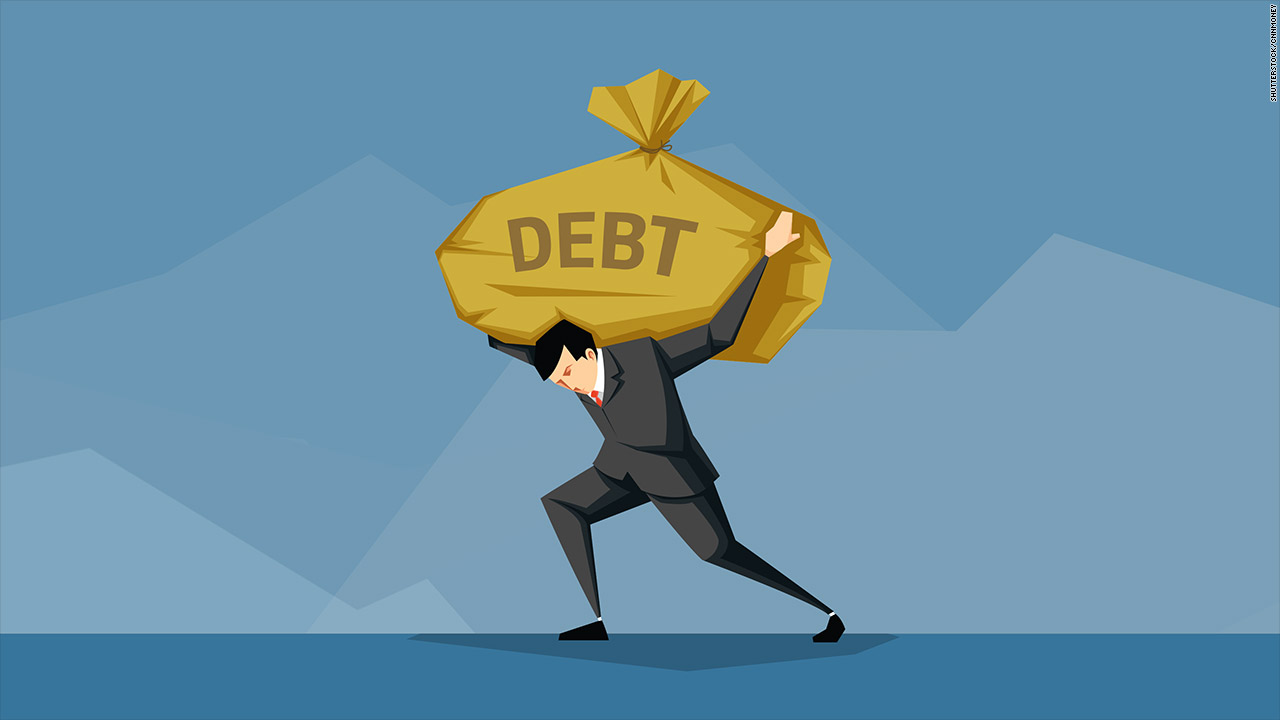
Debt feels abstract. You know you have some. You know you should pay it down. But is your situation normal? Or are you heading for a crisis?
The answer is not about a specific euro amount. A €500 debt is a crisis for someone earning minimum wage. For a millionaire, it is pocket change.
What matters is your debt relative to your income and your ability to pay it back. This guide gives you clear formulas, warning signs, and a simple framework to know exactly when debt goes from manageable to dangerous.
The 28/36 Rule (Used by Lenders)
Banks and mortgage lenders use this rule to decide if you are too risky. You can use it too.
The rule:
- Your housing costs (rent or mortgage payment) should not exceed 28% of your gross monthly income.
- Your total debt payments (housing + car loans + credit cards + student loans) should not exceed 36% of your gross monthly income.
Example: You earn €4,000 per month before taxes.
- 28% = maximum €1,120 per month for housing
- 36% = maximum €1,440 per month for total debt payments
If your rent is €1,200 (30% of income), you are over the 28% guideline but not in crisis. If your total monthly debt payments are €1,600 (40% of income), you are over the 36% guideline – a red flag.
How much debt is too much for a mortgage application? Lenders typically reject applications where total debt payments exceed 43–50% of gross income, even with good credit. The 28/36 rule is the conservative, safe standard.
The Debt-to-Income Ratio (The Real Answer)
Your debt-to-income ratio (DTI) is the most important number for understanding your debt health. It is simple to calculate.
Formula: Total monthly debt payments ÷ Gross monthly income = DTI
Example: You pay €1,500 toward debts each month (minimum payments). You earn €5,000 gross monthly.
€1,500 ÷ €5,000 = 0.30 = 30% DTI
What is a good debt-to-income ratio for a car loan? Most auto lenders prefer DTI below 40–45% including the new car payment. But financially healthy borrowers keep total DTI below 36%.
The 20/10 Rule (For Consumer Debt)
Mortgages and student loans are different from credit cards and car loans. The 20/10 rule focuses on consumer debt – the dangerous kind.
The rule:
- Never borrow more than 20% of your annual take-home pay in consumer debt (excluding mortgage).
- Never let your consumer debt payments exceed 10% of your monthly take-home pay.
Example: You take home €40,000 per year after taxes.
- 20% = €8,000 maximum total consumer debt (credit cards + car loans + personal loans)
- Monthly take-home: €3,333. 10% = €333 maximum monthly consumer debt payments
If you owe €15,000 on credit cards and a car loan, you are over the 20% guideline. If minimum payments are €500 per month, you are over the 10% guideline.
How much credit card debt is considered too much? When your minimum payments exceed 10% of your monthly take-home pay – or when you cannot pay the full balance each month without accruing interest.
The Warning Signs (Feelings Over Numbers)
Numbers tell part of the story. Sometimes your feelings are better indicators.
You have too much debt if:
- You only pay minimums on credit cards each month.
- You have used a credit card for rent or groceries because you ran out of cash.
- You lose sleep thinking about your balances.
- You hide purchases or debt amounts from your partner.
- You have been turned down for a loan or credit limit increase.
- You are using new debt to pay old debt (balance transfers, consolidation loans, borrowing from family).
- You cannot afford a €500 emergency without using credit.
What is the first sign that debt is becoming a problem? Paying only minimums. That is the earliest warning flag. Minimum payments are designed to keep you in debt for decades. If that is you, take action now.
Good Debt vs. Bad Debt
Not all debt is equal. Some debt builds wealth. Some destroys it.
Good debt (can be okay in reasonable amounts):
- Mortgage (you build equity in an asset that typically appreciates)
- Student loans (increases your lifetime earning potential)
- Business loans (investing in income generation)
Bad debt (always dangerous if it accumulates):
- Credit card balances carried month to month (20%+ interest)
- Payday loans (400%+ interest)
- Car loans for depreciating vehicles (especially if the loan term exceeds the car's usable life)
- Personal loans for vacations or luxury purchases
What is the difference between good debt and bad debt for young adults? Good debt buys assets that grow in value or increase income. Bad debt buys things that lose value or are consumed. A house (good). A degree in a real field (good). A financed vacation or designer bag (bad).
Red Flags Specific to Your Income Level
Debt hits different income levels differently.
Low income (under €30,000/year): Any debt beyond a small emergency buffer is dangerous. Your margin for error is tiny. One missed paycheck or unexpected expense can trigger a spiral.
Middle income (€30,000–€80,000/year): Consumer debt over €10,000 or DTI over 30% is the danger zone. Focus on paying down credit cards and car loans before investing.
High income (over €80,000/year): The risk is lifestyle inflation. Many high earners are "asset rich, cash poor" – large mortgage, luxury car payments, high credit card balances. Your DTI should still stay below 36% even at high incomes.
How much debt is normal for a 30-year-old? Average total debt (including mortgage) for Americans aged 30–34 is around €100,000–€120,000. That includes a mortgage. Non-mortgage debt averages €20,000–€30,000. Normal does not mean healthy. Many people carry too much debt.
The Emergency Fund Test
Here is a simple way to check if your debt is manageable.
Pause all debt payments above minimums for one month. Put that extra money into a savings account.
- If you can save €1,000+ in one month, your debt is likely manageable. You can redirect that money back to debt.
- If you cannot find any extra money (even after cutting expenses), your debt payments are too high relative to your income.
What to do if your debt payments exceed your monthly income? You need immediate help. Contact a non-profit credit counseling agency (NFCC in the US). Avoid "debt settlement" companies that charge high fees. Bankruptcy may be an option, but exhaust other routes first.
Debt becomes "too much" before you miss a payment. It becomes too much when payments consume more than 36% of your gross income, when you only pay minimums, or when debt keeps you awake at night.
Calculate your DTI today. If you are over 36%, you have a clear answer: your debt is too much. Make a plan. Cut expenses. Increase income. Pay it down.
You can fix this. Millions of people have climbed out of worse situations. The first step is knowing where you stand. Now you know.