How to Get Out of Debt Fast (Step-by-Step Plan)
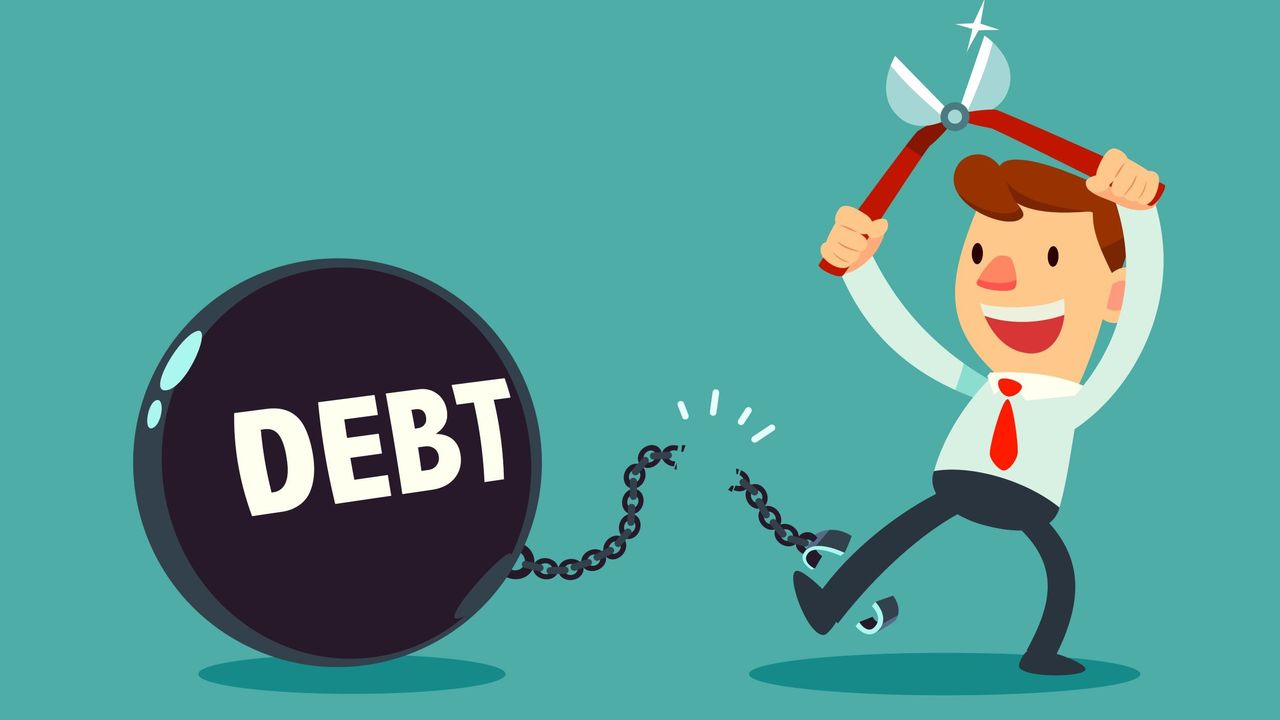
You wake up thinking about it. You check your bank account hoping numbers changed overnight. They did not.
The credit card bill. The personal loan. The money you owe a friend. It all feels heavy. Like a weight you cannot put down.
Here is the truth millions of people prove every year: You can get out of debt faster than you think. Not with a lottery win. Not with a miracle. With a plan.
This step-by-step guide shows you exactly how to get out of debt fast – even on a low income.
Step 1: Stop Digging the Hole
You cannot climb out while still falling.
Many people in debt keep using credit cards for daily expenses. They pay minimums. Then they charge more. The balance never shrinks.
First action: Stop all new borrowing. Cut up the credit cards if you must. Freeze them in a block of ice. Delete saved card details from shopping apps. Whatever it takes.
For 30 days, use only cash or your debit card. If you do not have the money, you do not buy it.
This solves a key question: How to get out of credit card debt when you are still using the cards – you stop using them. Completely.
Step 2: List Every Debt (No Hiding)
You cannot fix what you refuse to see.
Grab a notebook or spreadsheet. Write down every single debt:
- Creditor name (Chase, Sallie Mae, your uncle)
- Total balance owed
- Minimum monthly payment
- Interest rate (APR)
Include everything. The €50 you owe a friend. The €5,000 credit card. The €20,000 student loan. All of it.
Why this matters: Most people underestimate their debt by 30–50%. Seeing the full picture is scary. It is also the only way to build a real plan.
Step 3: Choose Your Debt Payoff Method (Two Options)
Two proven methods exist. Pick the one that works for your psychology.
Method A: The Debt Snowball (Best for motivation)
You list debts from smallest balance to largest. Pay minimums on everything. Throw every extra euro at the smallest debt. When it is gone, roll that payment to the next smallest.
Example:
- Debt 1: €500 (minimum €25)
- Debt 2: €3,000 (minimum €100)
- Debt 3: €10,000 (minimum €250)
Pay minimums on debts 2 and 3 (€350 total). Put all extra money toward the €500 debt. It disappears fast. That win keeps you going.
Best for: People who need small victories to stay motivated. Research shows the snowball works better for most people because of psychology, not math.
Method B: The Debt Avalanche (Saves most money)
You list debts from highest interest rate to lowest. Pay minimums on everything. Throw every extra euro at the highest-interest debt first.
Example:
- Debt A: 22% interest (credit card)
- Debt B: 8% interest (student loan)
- Debt C: 5% interest (car loan)
All extra money goes to the 22% card first. You pay less interest overall.
Best for: Disciplined people who want to minimize total cost and do not need motivational wins.
Which is better to get out of debt fast? The avalanche saves more money. The snowball creates more momentum. Both work. Pick one and commit.
Step 4: Find Extra Money (Even €50 Helps)
You need more than minimum payments to get out of debt fast. Here is where to find money without burning out.
Cut temporarily (not forever):
- All subscriptions (Netflix, Spotify, gym). Re-evaluate in 3 months.
- Eating out. Cook at home for 60 days.
- Coffee shop drinks. Make coffee at home.
- New clothes. You have enough.
Sell stuff you do not use:
- Old phone, laptop, tablet (Swappa, eBay, Facebook Marketplace)
- Textbooks (sell to other students)
- Clothes (Vinted, Depop, Poshmark)
- Furniture, electronics, tools
Earn extra:
- Overtime at work (if available)
- Weekend gig (delivery, tutoring, pet sitting)
- Sell a skill on Fiverr or Upwork
What is a realistic timeline to pay off €10,000 in debt? With minimum payments only, it could take 10+ years. With an extra €300 per month, you finish in about 30 months. With an extra €500 per month, about 20 months. The extra money changes everything.
Step 5: Consider These Two Powerful Tools
Sometimes you need help beyond budgeting.
Balance transfer credit card: Move high-interest credit card debt to a card with 0% interest for 12–21 months. You pay a one-time fee (typically 3–5%). Then every euro you pay goes to principal, not interest.
Warning: Do not use the old card again. Do not miss a payment (the 0% offer disappears). Pay off the balance before the promo period ends.
Debt consolidation loan: Take out one personal loan at a lower interest rate than your current debts. Use it to pay off multiple high-interest cards. Now you have one payment at a lower rate.
When is a debt consolidation loan a good idea? When your credit score is decent (660+), when loan interest rate is at least 3–5% lower than your current rates, and when you have the discipline to not run up new credit card debt after consolidating.
Step 6: Negotiate Lower Interest Rates
Most people never ask. That is a mistake.
Call each credit card company. Say: "I have been a customer for X years. I always pay on time. I want to pay off my balance faster. Can you lower my interest rate?"
What happens: They often say yes. Not always. But a 5–10 minute phone call can save you hundreds or thousands in interest.
Also ask about:
- Waiving late fees (if you have any)
- Changing your due date to match your payday
- Hardship programs (temporary lower payments or interest)
How to negotiate credit card debt settlement yourself? Start by asking for a lower interest rate. If you are already behind on payments, ask for a "hardship program" specifically. Be honest about your situation. They would rather get paid something than nothing.
Step 7: Use Windfalls Wisely
Tax refund. Birthday money. Work bonus. Gift from family.
Your instinct might be: "I deserve a reward for working so hard."
Change that instinct: Put 80–100% of every windfall toward debt. Future you will throw a much bigger party when the debt is gone.
A €1,000 tax refund sent entirely to debt saves you months of payments and hundreds in interest. That is the real reward.
Step 8: Track Progress Weekly (Not Monthly)
Monthly tracking is too slow. You lose motivation between check-ins.
Every Sunday night (10 minutes):
- Open your debt spreadsheet
- Write down each balance
- Celebrate the decrease (even €50)
- Plan next week's extra payments
Seeing numbers go down weekly creates momentum. Momentum kills debt.
The Emergency Fund Question
You will hear conflicting advice. Here is the middle ground.
Keep €1,000–€2,000 in a basic savings account while paying debt. This covers small emergencies (car repair, medical bill, urgent travel). Without it, you will use credit cards again when something breaks.
After debt is gone, grow this to 3–6 months of expenses.
What If You Have No Extra Money?
If your essential expenses (rent, utilities, food, minimum debt payments) already eat your entire paycheck, you cannot budget your way out. You need more income.
Two options:
- Increase income (second job, side hustle, overtime, promotion)
- Reduce essential expenses (cheaper apartment, roommate, moving home temporarily)
This is hard. It is also temporary. Most people only need 6–18 months of intense focus to become debt-free.
Getting out of debt fast is not complicated. It is hard. There is a difference.
Stop borrowing. List everything. Pick a method (snowball or avalanche). Find extra money. Track weekly. Celebrate small wins.
The average person who follows a real plan pays off debt 2–3 times faster than someone who just "tries harder."
Start today. Write down your debts right now. That single action changes everything.