How to Handle a Toxic Workplace Without Ruining Your Career
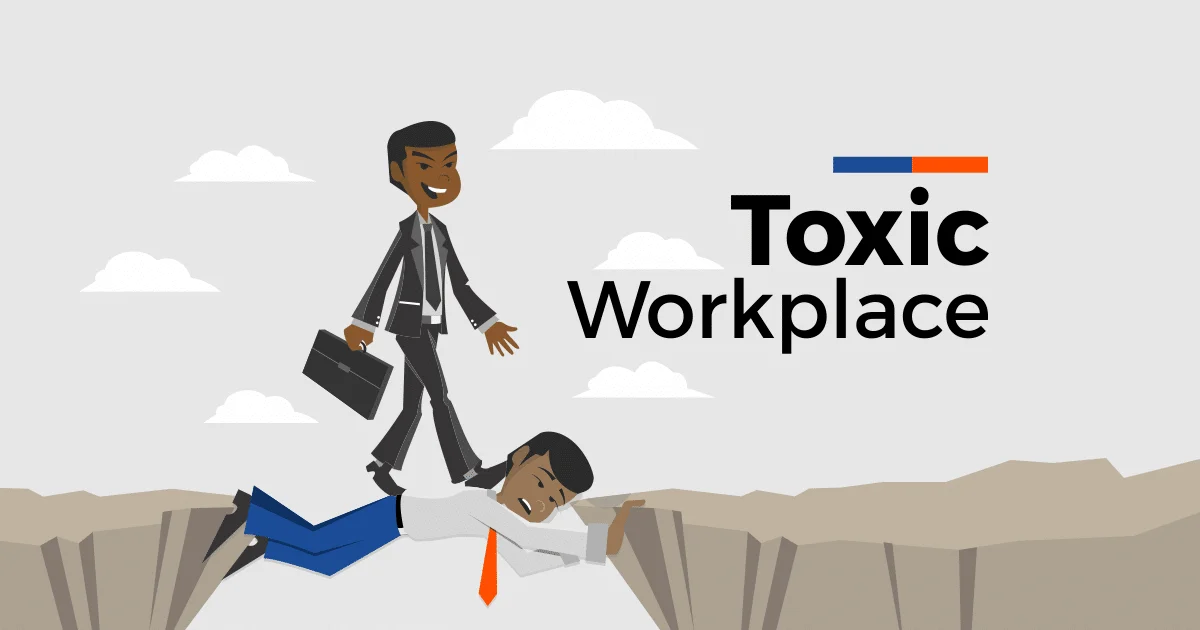
Most people don't realize their workplace is toxic until they're already deep inside it. It happens gradually a manager who undermines you here, a culture of blame there, a slow erosion of the boundaries between acceptable and unacceptable that leaves you wondering whether the problem is the environment or you.
It's rarely you.
Toxic workplaces are more common than most professional conversations acknowledge, and the damage they cause extends well beyond the hours you spend at your desk. Chronic workplace stress affects your health, your confidence, your relationships outside work, and if you don't handle the situation carefully your career trajectory.
The challenge is navigating it without either burning yourself out trying to fix what you can't change, or making reactive decisions in a moment of frustration that follow you for years. This guide is about doing exactly that: protecting yourself, managing the situation professionally, and exiting on your terms if and when the time comes.
Recognize the Difference Between Difficult and Toxic
Not every hard job is a toxic job. This distinction matters because the response to each is different, and misidentifying a challenging environment as a toxic one or worse, the reverse leads to poor decisions.
A difficult workplace might involve high pressure, demanding standards, a steep learning curve, or a manager with a blunt communication style. These environments can be genuinely stressful and are worth evaluating honestly. But difficulty and toxicity are not the same thing.
A toxic workplace involves patterns that go beyond normal professional challenge. These include systematic bullying or harassment, management that publicly humiliates employees, a culture where blame is deflected downward and credit flows upward, retaliation against people who raise legitimate concerns, chronic dishonesty from leadership, deliberate exclusion or sabotage of specific employees, or an environment where fear is used as a management tool.
The key word is pattern. A bad day, a difficult conversation, or a stressful quarter is not toxicity. Consistent, repeated behavior that damages people's wellbeing and professional standing is.
Being honest with yourself about which situation you're in helps you respond proportionately and proportionate responses protect your career far better than overreactions or underreactions.
Protect Yourself First Before You Do Anything Else
The instinct many people have in a toxic workplace is to fix it to have the right conversation, escalate to the right person, or change their own behavior enough to neutralize the problem. Sometimes this works. More often, it doesn't, and people spend months or years trying to change a culture that has no interest in changing.
Before you attempt to fix anything, protect yourself.
This means setting firm internal boundaries about what you will and won't accept, even if those boundaries aren't visible to anyone else yet. It means being deliberate about what you say, to whom, and in what format because in a toxic environment, information is frequently weaponized and conversations are often misrepresented.
It also means taking your wellbeing seriously as a non-negotiable. The normalization of stress in toxic workplaces is one of their most insidious features the gradual acceptance that constant anxiety, disrupted sleep, and chronic dread are just part of the job. They are not. If you're experiencing significant mental or physical health symptoms related to work, speaking with a doctor or therapist isn't a sign of weakness. It's a necessary step in maintaining the capacity to handle everything else.
Your ability to manage the situation professionally depends on your ability to function and toxic environments are specifically designed, consciously or not, to erode exactly that.
Document Everything Quietly and Consistently
If you are experiencing behavior in the workplace that crosses professional or legal lines, documentation is your most important practical tool and it needs to start before you think you need it, not after.
Keep a private record stored outside any company system, on a personal device or personal email of incidents as they occur. Include the date, time, location, what was said or done, who was present, and any immediate impact. Write it in factual, unemotional language rather than interpretive terms. "On Tuesday, March 12, my manager said in front of the team that my work was 'embarrassingly bad' and told me to 'figure it out or leave'" is more useful than "my manager was terrible to me again."
Save copies of relevant emails, messages, and written communications to a personal account where permitted. Be aware that forwarding company communications externally may violate company policy or employment agreements in some jurisdictions know your rights in your specific location before doing so, and when in doubt, screenshot rather than forward.
This documentation serves multiple purposes. If you eventually decide to raise a formal complaint, file an HR claim, or consult an employment attorney, a consistent, contemporaneous record is significantly more credible than a retrospective account assembled from memory. It also helps you see patterns more clearly what might feel like isolated incidents often reveals itself as a systematic pattern when written down over time.
Navigate HR Realistically
Human Resources is one of the most misunderstood functions in most organizations, and misunderstanding it leads people to make costly mistakes in both directions either placing too much trust in HR to protect them, or avoiding HR entirely when documentation of a formal complaint would actually serve their interests.
HR exists to protect the company, not individual employees. This is not cynicism it's an accurate description of the function's structural incentive. HR professionals may be personally empathetic, genuinely ethical, and committed to doing the right thing and the department still operates within a framework where its primary accountability is to the organization.
This doesn't mean HR is useless. It means you need to be strategic about when and how you engage with it.
Formal HR complaints are worth making when the behavior you're experiencing crosses legal lines harassment, discrimination, retaliation for protected activity, or health and safety violations. In these cases, a formal written complaint creates an official record that protects you legally and puts the company on notice that it has been informed.
For interpersonal conflicts, management style issues, or cultural problems that are damaging but not legally actionable, informal HR conversations carry more risk than most people realize. What you share informally may not be treated confidentially, and raising concerns without formal documentation can sometimes result in you being managed out rather than the problem being addressed.
Before engaging HR formally or informally, consult an employment attorney if you have any concerns about the legal dimensions of your situation. Many offer free initial consultations and can help you understand your rights and the potential consequences of different approaches.
Manage Your Professional Reputation While You're Still There
One of the most counterproductive responses to a toxic workplace is letting the environment pull your professional conduct down to its level. Reacting emotionally in meetings, speaking negatively about colleagues or management to others in the organization, or withdrawing visibly from your responsibilities all create professional liabilities that outlast the job itself.
This is genuinely difficult advice to follow in an environment that is treating you unfairly. But your reputation how you're perceived by colleagues, clients, and professional contacts is a long-term asset that travels with you to every future role. Protecting it in a difficult environment is an act of self-interest, not just professionalism.
Continue to do your job well. Deliver on your commitments where you can. Be pleasant and professional in interactions, even with people who aren't extending the same courtesy to you. Avoid gossip and avoid being drawn into the political dynamics of a toxic culture these conversations feel like solidarity but often function as information that gets used against participants later.
Build and maintain relationships with colleagues whose judgment and integrity you respect. These are the people who will speak well of you when you leave, provide references, and potentially open doors to future opportunities. The professional network you cultivate while you're in a bad situation is often the mechanism through which you escape it.
Start Your Exit Strategy Before You Desperately Need One
The worst time to start looking for a new job is when you're so burned out that you'd accept almost anything to get out. Decisions made from desperation rarely lead to genuinely better situations they lead to lateral moves into environments that turn out to have different versions of the same problems.
Start your exit strategy while you still have capacity and perspective ideally before the situation has significantly damaged your confidence or wellbeing.
Update your resume and LinkedIn profile. Reach out to former colleagues and professional contacts to rebuild connections before you need them actively. Begin researching companies and roles that genuinely interest you rather than simply "not this." Apply selectively and strategically rather than broadly and urgently.
If gaps in your skills are limiting your options, identify what they are and begin addressing them with courses, certifications, or projects. The investment of a few hours per week in professional development while you're still employed significantly expands your options when you're ready to move.
Having an active exit strategy also changes how you experience a toxic environment in the interim. Knowing you are actively working toward something better is psychologically protective in a way that simply enduring the situation is not. You shift from a passive victim of circumstances to someone in a transition and that distinction matters enormously for your mental health and your decision-making.
Know When Staying Is No Longer Worth the Cost
There is a point in every toxic work situation where the question shifts from "how do I manage this?" to "is managing this still worth what it costs me?"
That calculation is personal and depends on your financial situation, career stage, professional options, and the severity of what you're experiencing. There is no universal answer to how long is too long to stay in a toxic environment.
What is universally true is that no job is worth your health physical or mental. If you are experiencing serious health consequences, if the environment is causing you to lose confidence in your own professional judgment, or if you are being asked to participate in behavior that compromises your ethics or legal standing, the cost of staying has exceeded any reasonable professional benefit.
Financial preparation makes this decision easier. An emergency fund covering three to six months of expenses removes the financial pressure that keeps many people in situations they should leave. Building that fund while you're still employed even in a difficult environment is one of the most empowering financial steps you can take.
Leave Professionally How You Exit Matters
When you do decide to leave, how you leave is as important as the fact of leaving. The professional world is smaller than it appears, and the way you handle your departure shapes how you're remembered by everyone who stays.
Resign in writing, give appropriate notice unless your situation makes that genuinely unsafe or legally inappropriate, and fulfill your remaining professional obligations. Thank the people who deserved thanks there are almost always some. Avoid the resignation letter that lists everything wrong with the organization, however satisfying it might feel to write.
In exit interviews, be honest but measured. "I'm looking for an environment with stronger professional development opportunities" conveys your reasons without creating the kind of detailed criticism that can occasionally follow you in ways you don't anticipate.
The goal of a professional exit from a toxic workplace is to leave with your reputation intact, your references secured, and the next chapter beginning from a position of strength rather than exhaustion.
Final Thoughts
A toxic workplace is a genuine problem with real consequences professional, financial, and personal. It deserves to be taken seriously, navigated strategically, and ultimately escaped rather than endured indefinitely.
The people who handle toxic work environments most successfully are not the ones who find a way to become comfortable in them. They're the ones who protect themselves, document carefully, manage their reputation, build their exit quietly, and leave before the environment has fully extracted what they came in with.
Your career is long. This job is not your whole story. Handle it with the professionalism it may not deserve because the person who benefits most from that professionalism is always you.