How to Save Your First €1000 (Step-by-Step Plan)
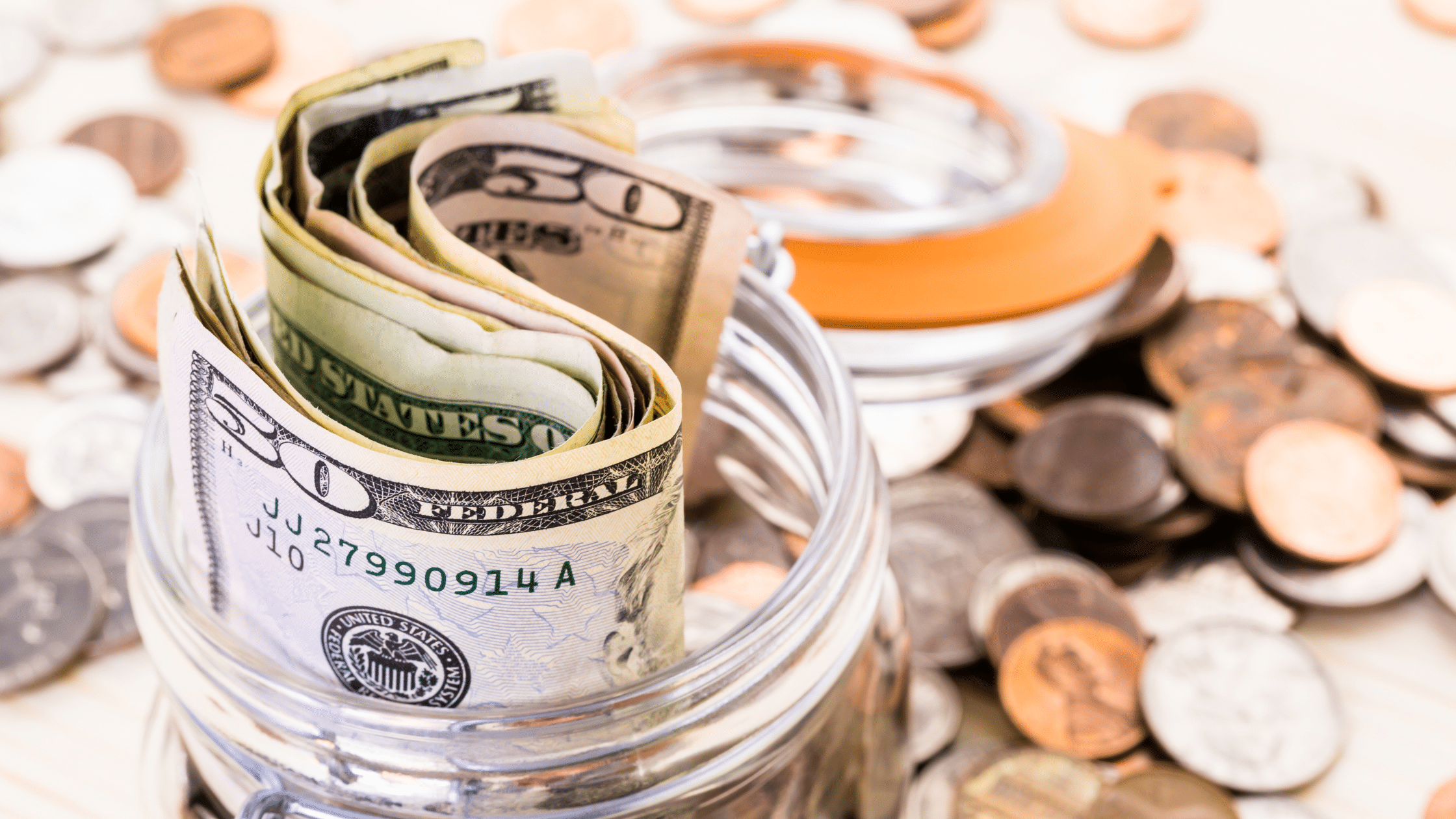
You want to save €1,000, but right now, saving €100 feels impossible. Rent is due. Your phone bill just hit. And somehow, your money disappears before the month even ends.
I get it. I’ve been there.
Saving your first €1,000 isn’t about math. It’s about momentum. Once you see that number grow €50, €200, €500 something clicks. You stop feeling broke and start feeling in control.
This article is about building a simple, realistic system that actually works.
Let’s break it down step by step.
Why €1,000?
€1,000 isn’t a fortune. You can’t retire on it. But here’s what €1,000 does for you:
- It covers most emergencies (car repair, urgent dentist visit, last-minute flight).
- It stops you from reaching for a credit card when life surprises you.
- It proves to yourself that you can save money.
It’s not just about the money it’s about proving to yourself that you can do it.
Step 1: Open a Separate "Do Not Touch" Account
The biggest mistake people make? Keeping their savings in the same account they spend from. Every day, you see €1,000 sitting there, and every day, you find a reason to spend it.
What to do instead: Open a free, separate savings account. Name it something serious like “Emergency Fund – Do Not Touch” or even “My Freedom Fund.” Then, automate a small transfer every payday. Even €10. Even €5. The account exists, so the money has somewhere to go.
Step 2: Calculate Your "Realistic" Saving Timeline
Don’t aim to save €1,000 in one month if you only earn €1,500. That’s a setup for failure.
Instead, pick a timeline that fits your life.
If you can save €80 a month, you’ll hit €1,000 in about a year. That’s fine.
Action step: Look at your last three months of spending. How much could you realistically save? Write that number down. That’s your monthly target.
Step 3: Cut Three Things (Nothing Extreme)
I will ask you to find three small leaks to plug for 90 days.
Common examples:
- One subscription you forgot about (€10–15/month)
- Eating lunch out twice a week instead of five times (€20–30/week)
- Brand-name groceries vs. store brand (€10–20/week)
- One takeaway meal per week (€15–25/week)
- Buying bottled water (switch to tap/filter)
Pick three. Cut them for three months. That alone could save you €50–150 a month without major pain.
Step 4: Use the "€10-a-Day" Challenge (It Works Faster Than You Think)
Here’s a fun way to save without feeling it: Save €10 on as many days as possible.
- Skip the taxi and walk? €10 saved.
- Bring lunch instead of buying? €10 saved.
- Cancel one streaming service for a month? €10 saved.
If you save €10 on 20 days this month, that’s €200. In five months, you’ve got €1,000.
Step 5: Sell Stuff You’re Not Using (Fastest €100–300 You’ll Make)
Look around your room. That jacket you never wear. The old phone in a drawer. Books you won’t re-read. A gaming console from two years ago.
Realistic haul:
- Old smartphone: €50–150
- 5 unused clothing items: €30–80
- Textbooks or games: €20–50
- Small furniture or electronics: €30–100
Many people find €200–400 in a single weekend. That’s 20–40% of your €1,000 goal in two days.
Step 6: Use the “Save First” Rule
Most people save what’s left after spending. That rarely works.
Flip the system:
- Save first
- Spend what’s left
Even if it’s just €50 at the beginning, this habit changes everything.
Step 7: Use the "Round-Up" Method
Every time you spend money, round up to the nearest €1 or €5 and save the difference.
- You buy coffee for €3.50 → round up to €4 → save €0.50.
- You buy groceries for €18.20 → round up to €20 → save €1.80.
It sounds tiny. But over a month, with 30–50 transactions, you can save €30–60. You won’t even notice it happening.
Step 8: Track Your Progress
Saving €1,000 feels more motivating when you can see your progress.
You can:
- Use a savings tracker
- Create a simple chart
- Write down your total every week
Watching the number grow keeps you focused and consistent
Step 9: Avoid the "One Step Forward, Two Steps Back" Trap
You save €200. Then your car needs a repair. Or a friend invites you to a weekend trip. Suddenly, your savings are gone.
This is the most frustrating part of saving when you’re broke. But here’s the mindset shift: That €200 still did its job. It kept you out of debt. Without it, you would have borrowed €200. That’s a win.
When an emergency hits, don’t quit saving. Just restart. Saving €100, losing €80, and saving another €100 still leaves you with €120 more than if you never started.
What to Do When You Reach €1,000
Celebrate. Seriously. Buy a nice meal. Take a day off. You earned it.
Then, leave that €1,000 alone. It is now your emergency fund. Not a vacation fund. Not a shopping fund. It exists so that when life punches you, you don’t fall into debt.
After that, your next goal: €2,500. Then €5,000. Then three months of expenses.
But first? €1,000. And you now have a plan.
The first €1,000 is brutal. It requires discipline, patience, and saying “no” to things you want. But here’s the secret: Every thousand after that gets easier.
Because once you’ve saved €1,000, you know you can do it. You’ve built the habit. You’ve proven something to yourself.