Investing for Beginners: How to Start With Just €100
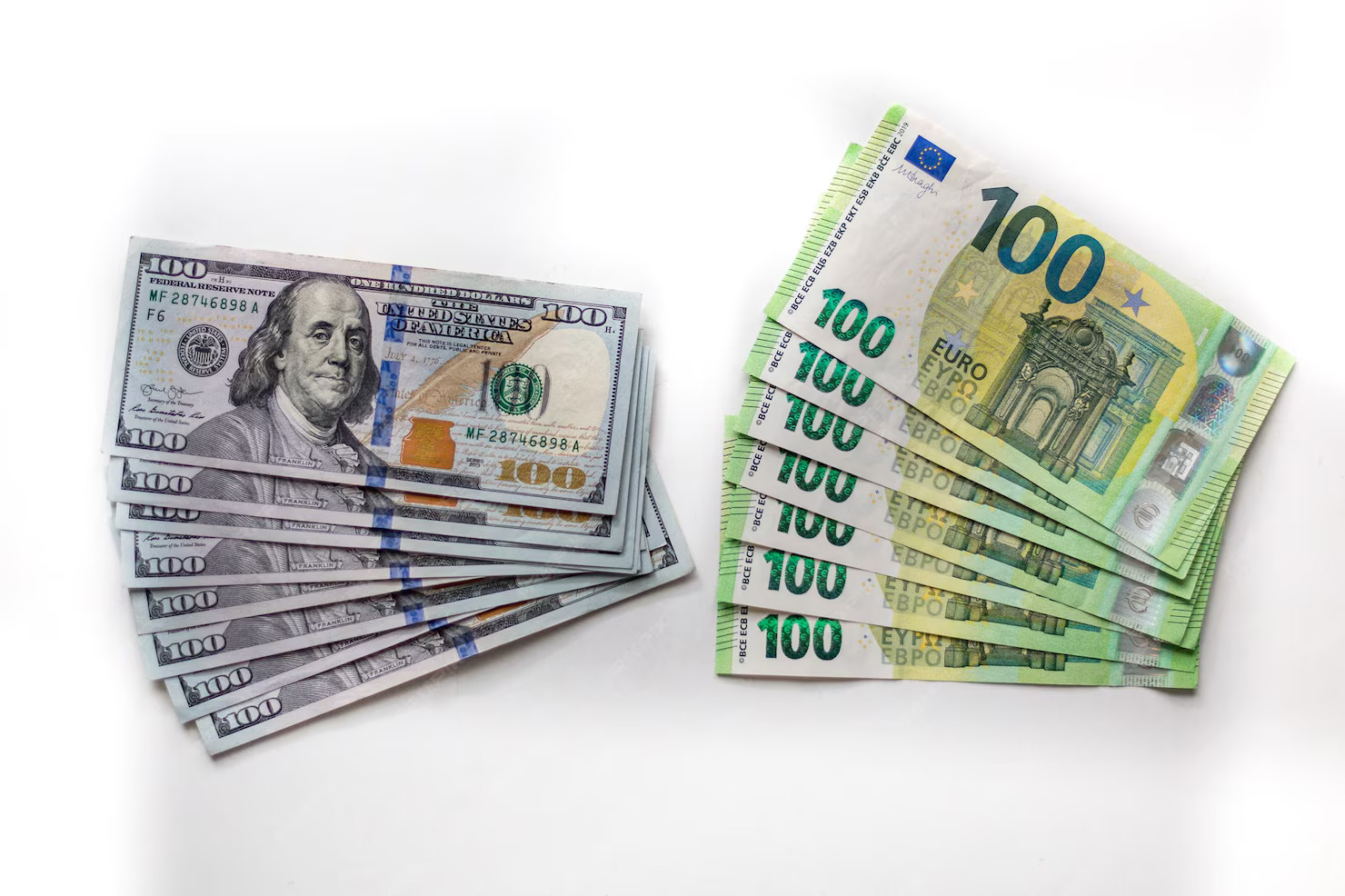
Many people believe you need thousands of euros to start investing. The truth? You can begin with as little as €100 and in some cases, even less. Not to get rich overnight. But to build a habit, learn the mechanics, and start the engine of long-term wealth.
What matters isn’t how much you start with, but how early you start and how consistent you are.
This guide walks you through exactly how to invest your first €100 - safely, smartly, and without expensive mistakes.
Why Start With Only €100?
Reason 1: The habit beats the amount. Someone who invests €100 consistently every month for 30 years will have over €150,000 (assuming 7% returns). Someone who waits until they have €10,000 may never start at all.
Reason 2: Small mistakes are cheap. Learning with €100 is far better than learning with €10,000. Make your beginner errors now, when the cost is tiny.
The Mindset Shift Before You Invest
Understand this:
- Investing is not gambling. Gambling is short-term luck. Investing is long-term probability. You are buying small pieces of real companies or assets.
- You will not get rich fast. Anyone promising 50% returns in a month is selling a dream (or a scam).
- Time is your advantage. A €100 investment today is worth more than €100 next year because of compound growth.
Step 1: Set the Right Expectations
Before you invest your €100, you need to understand one thing:
You won’t turn €100 into €10,000 overnight.
Investing is a long-term game. Your goal should be:
- Growth over time
- Learning how investing works
- Building a system you can repeat
Step 2: Open the Right Account
You need a brokerage account a place to buy and hold investments. In Europe, here are the best beginner options:
For small amounts (perfect for €100):
- Trade Republic (German, very beginner-friendly, no account fees, fractional shares allowed)
- Trading 212 (UK/EU, no commissions, easy interface)
- eToro (social investing, good for beginners, but watch their fees)
- Degiro (very reliable, low fees, slightly less beginner-friendly)
What to look for:
- No monthly account fees
- Fractional shares (ability to buy parts of expensive stocks)
- Regulated in your country (look for BaFin, FCA, or similar)
Avoid: Banks (high fees), anything promising "managed for you" with high expense ratios (over 0.5%), and anything requiring large minimum deposits.
Step 3: What to Buy With €100
You have three excellent options. Choose based on your personality.
Option A: A Low-Cost Index Fund (ETF) – Recommended for 90% of beginners
An ETF (exchange-traded fund) is a basket of hundreds or thousands of companies. When you buy one ETF share, you own tiny pieces of Apple, Microsoft, Nestlé, L'Oréal, and many more.
Why it’s great for beginners:
- Lower risk compared to individual stocks
- Easy to manage
- Good long-term returns
Best beginner ETFs for European investors:
- iShares Core MSCI World UCITS ETF (ticker: EUNL) – Tracks 1,500+ large companies across 23 developed countries
- Vanguard FTSE All-World UCITS ETF (ticker: VWCE) – Includes emerging markets too (China, India, Brazil)
How to buy: In your brokerage app, search for the ticker (e.g., EUNL). Buy as many shares as €100 allows (likely 2–3 shares, or a fraction of one). Hold for years.
Option B: A Fractional Share of a Company You Trust
If you want to own specific companies, most brokers now offer fractional shares.
Example: A single share of Google costs €140. With €100, you buy 0.7 shares. You still own part of the company and benefit from its growth.
Stick to established, profitable companies: Microsoft, Apple, Amazon, Nestlé, Novo Nordisk, LVMH. Avoid speculative stocks (meme stocks, crypto companies, unprofitable startups).
Option C: A High-Interest Savings Account (The Ultra-Safe Move)
If the thought of any loss terrifies you, park your €100 in a high-yield savings account. In 2026, some European online banks offer 2.5–4% interest (Trade Republic, Revolut, Bunq).
Who this is for: Anyone saving for a goal less than 3 years away (vacation, car, wedding down payment). The stock market is too risky for short time horizons.
Step 4: The Actual Buying Process
Let us walk through investing €100 in an ETF using Trade Republic (similar steps for other apps).
- Download the app. Verify your identity (ID or passport).
- Deposit €100 from your bank account (takes 1–2 days).
- Search for "iShares Core MSCI World UCITS ETF" (EUNL).
- Click "Buy." Enter €100. Choose "Market order" (simplest for beginners).
- Confirm. You now own a small piece of 1,500+ global companies.
- Do not check it daily. Do not panic if it drops 10% next month. That is normal.
Costs: Most brokers charge €0–€3 per trade. On €100, that is 0–3%. Small and worth it.
What Happens Next (The Most Important Part)
You have invested €100. Now what?
Add regularly. €50 or €100 every month is the secret. Set up an automatic monthly transfer. This is called "dollar-cost averaging" (or euro-cost averaging). You buy more when prices are low and less when prices are high. Over time, it smooths out risk.
Ignore short-term noise. The market will go up. It will go down. In 2022, markets dropped 20%. In 2023–2024, they recovered and grew. In 2026, they continue fluctuating. Your time horizon is 5, 10, 20+ years. Daily moves do not matter.
Reinvest dividends. Many ETFs pay dividends (small cash payments from company profits). Tell your broker to automatically reinvest them. This turbocharges compound growth.
What €100 Can Become (Real Numbers)
Let us be honest. €100 alone will not change your life.
But €100 per month? That is different.
Scenario: You invest €100 monthly into a global stock ETF averaging 7% annual return.
- After 5 years: €7,200 saved → €7,800 value (€600 in growth)
- After 10 years: €12,000 saved → €17,300 value (€5,300 in growth)
- After 20 years: €24,000 saved → €52,000 value (€28,000 in growth)
- After 30 years: €36,000 saved → €122,000 value (€86,000 in growth)
Your money did more work than you did. That is compound interest.
Avoid Common Beginner Mistakes
Starting small doesn’t mean you can’t make mistakes. Here’s what to avoid:
1. Trying to Get Rich Quickly - High-risk strategies often lead to losses.
2. Investing Without Learning - Take time to understand what you’re buying.
3. Panic Selling - Markets go up and down don’t react emotionally.
4. Putting All Money in One Investment - Diversification is key.
€100 is not too little. It is a start.
Open an account. Buy a low-cost global ETF. Set up a monthly €50 or €100 transfer. Then live your life. Check back in a year.
The hardest step is the first one. After that, it becomes routine. And years from now, you will thank yourself for starting today – with whatever you had.