Passive vs Active Side Hustles (What's Better?)
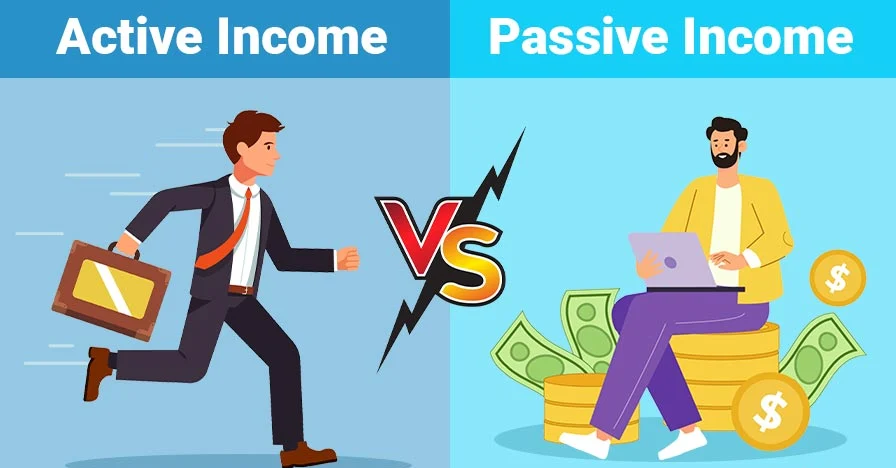
You want extra money. You have heard about "passive income" – earning while you sleep. It sounds like a dream.
But every time you look for real examples, you find people selling courses or promising easy money. It feels fake.
The truth is more honest. Passive side hustles exist. But they are not magic. Active side hustles pay faster but cost your time. Neither is universally better. The right choice depends on your situation right now.
This guide breaks down passive vs active side hustles – the real timelines, the real earnings, and which one actually fits your life.
What Is an Active Side Hustle?
Active side hustles trade time for money. You work. You get paid. You stop working. The money stops.
Examples:
- Freelance writing (you bill by the hour or project)
- Dog walking or pet sitting
- Rideshare driving (Uber, Lyft)
- Tutoring
- Virtual assistance
- Delivery apps (DoorDash, Instacart)
- Task services (TaskRabbit)
Pros of active side hustles:
- Start today. Earn this week.
- No upfront investment (usually).
- Predictable – work more, earn more.
- Immediate feedback. You see results fast.
Cons of active side hustles:
- Limited by your hours. You cannot scale past 24 hours per day.
- Taxed as self-employment income (higher rates).
- Burnout risk. A full-time job plus active hustle = exhaustion.
- No income when you stop.
What is the easiest active side hustle to start with no experience? User testing (UserTesting, Userlytics) or pet sitting (Rover). Both require zero special skills. Both pay within days of completing work.
What Is a Passive Side Hustle?
Passive side hustles require work upfront. Then they continue paying over time with little ongoing effort.
Examples:
- Digital products (templates, e-books, printables)
- Print-on-demand (designs on t-shirts, mugs, posters)
- Affiliate marketing (commission from product recommendations)
- Royalties from music, photos, or writing
- YouTube videos (ad revenue)
- Online courses
Pros of passive side hustles:
- Work once, get paid many times.
- No hourly cap – one product can sell 1,000 times.
- Income continues while you sleep, travel, or work your day job.
- Builds equity (you own the asset).
Cons of passive side hustles:
- Slow start. Most earn nothing for months.
- Upfront work before any payment.
- Marketing required. Products do not sell themselves.
- Can stop working unexpectedly (algorithm changes, market shifts).
What is the most profitable passive income stream for beginners? Digital products (templates, guides, worksheets) sold on Gumroad or Etsy. Low competition for specific niches. No inventory. No shipping. Profit margins of 80–95%.
The Time Horizon Difference (Most Important Factor)
This is the decision point that most people ignore.
Active hustle timeline:
- Day 1: Sign up for platform
- Day 3: Complete first gig
- Day 7: Get paid (€50–€200)
- Month 1: Earn €300–€800
- Month 3: Earn €500–€1,500
Passive hustle timeline:
- Month 1: Create product (10–20 hours)
- Month 2: Make first sale (maybe €10–€50)
- Month 3: 2–5 sales (€50–€200)
- Month 6: 10–20 sales (€200–€500)
- Month 12: Consistent monthly income (€500–€2,000)
Which is better for someone who needs money now? Active is better. No contest. If you need to pay a bill next week, passive income will not save you. Drive for Uber. Take a freelance job. Walk dogs. Earn fast.
Which is better for long-term freedom? Passive wins. After 12 months of building, a passive hustle can pay you while you focus on other things. The best strategy is often both.
Common Question Answered
How much money can you really make with passive income? Realistically, most beginners earn €50–€500 per month after 6–12 months. Top creators earn €5,000–€20,000+ per month, but they treat it as a business. Passive income is not "set and forget." It requires marketing, updating, and customer support.
Do passive side hustles require upfront investment? Some do. Print-on-demand costs nothing to list (free on Redbubble). Digital products cost nothing to create (free Canva account). Affiliate marketing costs nothing to join. You can start most passive hustles with €0. The investment is your time.
The Hybrid Approach (Best of Both)
You do not have to choose one. Smart side hustlers start active and build passive.
Phase 1 (Months 1–3): Active only
- Earn quick cash from freelancing, driving, or pet sitting.
- Set aside 20% of earnings for taxes. Save 20% for future passive projects.
- Use this money to fund your passive hustle (software, ads, samples).
Phase 2 (Months 3–6): Both
- Keep the active hustle for steady cash flow.
- Spend 5–10 hours per week building a passive asset (digital product, YouTube channel, affiliate site).
- Reinvest active earnings into promoting the passive hustle.
Phase 3 (Months 6–12): Passive growing
- Passive income starts generating €200–€1,000 per month.
- Reduce active hustle hours if desired.
- Build a second passive stream to diversify.
What is the best side hustle for single parents with limited time? Start with active (tutoring or virtual assistance) because it pays immediately. Then build one passive product over 3 months – a study guide in your subject area or a template related to your job. The passive product becomes income without extra hours.
Active side hustles pay now. Passive side hustles pay later. Neither is better. They serve different purposes.
Choose active if you:
- Need money within weeks
- Have irregular free time (can drop in/out)
- Prefer predictable hourly earnings
- Want to test different ideas quickly
Choose passive if you:
- Have upfront time to invest without immediate payment
- Enjoy creating (designing, writing, recording)
- Want income that does not require your physical presence
- Are willing to wait 6–12 months for results
Choose both if you:
- Want the fastest path to financial freedom
- Can dedicate 10–15 hours weekly
- Are willing to delay gratification for long-term gains
Start active to fund your first passive project. Then let passive income buy back your time.