Top 5 Cryptocurrencies to Watch in 2026
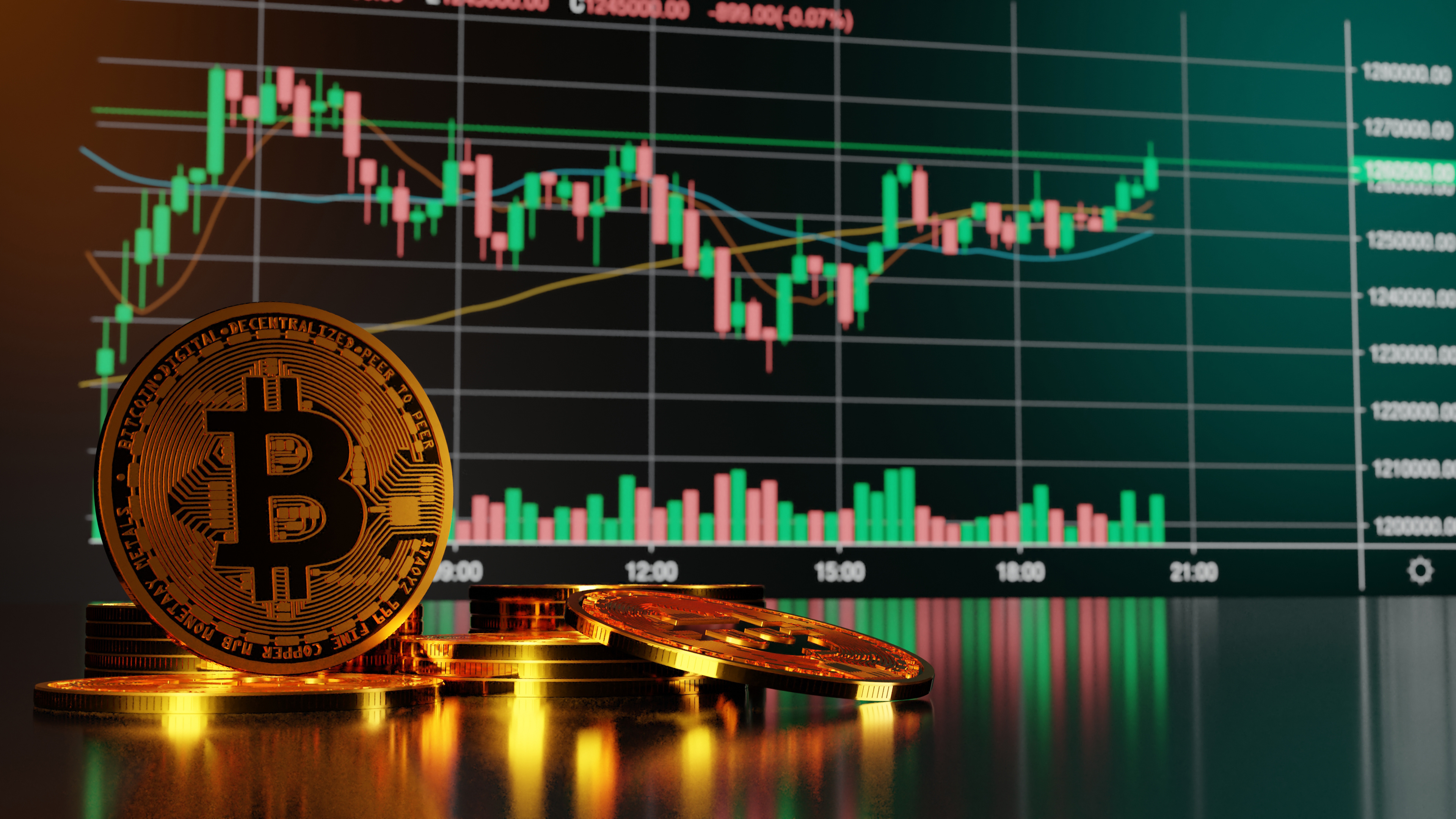
The crypto market never sleeps. Projects that dominated last year can fade into obscurity. Unknown tokens can explode seemingly overnight.
If you are trying to figure out where to put your attention in 2026, you already know the challenge. The noise is deafening. Thousands of coins. Endless predictions. Most will fail.
This guide cuts through the hype. These are the five cryptocurrencies with strong fundamentals, active development, and real adoption in 2026. Not financial advice. Just the projects worth watching.
What Makes a Cryptocurrency Worth Watching in 2026?
Before the list, understand the criteria:
- Active development – Code updates happen regularly. The team is building.
- Real adoption – People and businesses actually use it.
- Strong community – Developers and users are engaged, not just speculators.
- Clear use case – Solves a problem that existing systems cannot.
Meme coins and hype-driven tokens did not make this list. Here are the projects that did.
1. Bitcoin (BTC) – The Digital Gold Standard
No surprise here. Bitcoin remains the most important cryptocurrency in 2026. It is not the fastest. It is not the cheapest. But it is the most trusted.
Why watch Bitcoin in 2026: The 2024 halving reduced new supply. Historical patterns suggest the 12–18 months after a halving bring significant price movement. Institutional adoption continues through ETFs and corporate treasuries.
What is the price prediction for Bitcoin in 2026? No one knows. But analyst consensus ranges from 80,000–
80,000–150,000 depending on macro conditions. More importantly, Bitcoin's market dominance (its share of total crypto value) signals overall market health.
For beginners: Bitcoin is the safest crypto bet. Not because it cannot drop 50% (it can). Because it has survived 15+ years and will likely survive 15 more.
2. Ethereum (ETH) – The Global Settlement Layer
Bitcoin is digital gold. Ethereum is a global computer. Thousands of applications run on top of it – decentralized finance (DeFi), NFTs, gaming, and social networks.
Why watch Ethereum in 2026: The transition to Proof-of-Stake (The Merge) is now complete and optimized. Transaction fees are lower than pre-merge levels. Layer-2 solutions (Arbitrum, Optimism, Base) make Ethereum fast and cheap enough for everyday use.
Which crypto has the most potential for long-term growth? Many analysts point to Ethereum because it generates real revenue from transaction fees. Unlike Bitcoin, Ethereum has cash flow. That makes it easier to value using traditional metrics (price-to-earnings ratios applied to crypto).
What to watch: Ethereum ETF flows (institutional money coming in) and daily active addresses on layer-2 networks.
3. Solana (SOL) – The High-Performance Alternative
Ethereum is secure and decentralized. It is not the fastest. Solana prioritizes speed and low cost – 50,000+ transactions per second for fractions of a cent.
Why watch Solana in 2026: After crashing in 2022 (FTX collapse), Solana has rebuilt. Network uptime is stable. Developer activity is strong. Consumer applications (DePIN, mobile, payments) are gaining traction. The Solana phone and ecosystem are real products, not just promises.
Is Solana a good investment in 2026 for beginners? It is higher risk than Bitcoin or Ethereum. But it offers higher potential upside. Only allocate what you can lose. Watch for continued network stability and new consumer apps launching.
4. Chainlink (LINK) – The Data Bridge
Blockchains cannot see the real world. They need "oracles" to bring in data – stock prices, weather reports, sports scores, bank balances. Chainlink is the dominant oracle network.
Why watch Chainlink in 2026: Chainlink is partnering with major financial institutions (Swift, DTCC, major banks) to bring traditional finance onto blockchains. Cross-chain interoperability (CCIP) lets different blockchains talk to each other. These are not hype statements – they are live products.
What is Chainlink and how does it work? Chainlink operates a decentralized network of nodes that fetch external data and deliver it to smart contracts. Without Chainlink, most DeFi applications could not function. It is infrastructure – less exciting than hype coins, but more durable.
What to watch: New partnership announcements from traditional finance. Growing adoption of CCIP across major blockchains.
5. Polygon (POL, formerly MATIC) – Ethereum's Best Friend
Ethereum is the main highway. Polygon builds express lanes. It is a "layer-2" network that processes transactions cheaply and quickly, then settles them on Ethereum for security.
Why watch Polygon in 2026: Polygon has quietly become the most adopted layer-2. Major brands (Starbucks, Meta, Disney, Reddit) built on Polygon – not for speculation, for real consumer apps. The upgrade from MATIC to POL introduces a powerful tokenomics model that rewards validators across multiple chains.
What are the best layer-2 crypto projects for beginners? Polygon is the most beginner-friendly. Low fees (pennies per transaction). Easy to use. Works with all major wallets (MetaMask, Trust Wallet, Coinbase Wallet). And it has the most real-world brand partnerships.
What to watch: Number of active daily addresses on Polygon. New brand partnerships. Migration progress from MATIC to POL.
Honorable Mentions Worth Watching
Avalanche (AVAX): Fast, low-cost, and highly decentralized. Strong in gaming and institutional finance.
Arbitrum (ARB): Leading Ethereum layer-2 with massive total value locked (TVL). Strong developer community.
Bitcoin layer-2s (Stacks, RSK): Bringing smart contracts to Bitcoin. Early stage but growing.
What about newer, smaller cryptocurrencies?
The five above are established. They have survived bear markets. They have real usage.
Smaller coins can 100x. They can also go to zero. For every success story, hundreds fail. If you explore outside the top 20, treat it as gambling, not investing. Never put in more than you can afford to lose.
Which cryptocurrency will explode in 2026? No one knows. Anyone claiming certainty is selling something. Established projects (the five above) offer better risk-adjusted returns for most people.
How to Research Cryptocurrencies Yourself
Do not trust any list – including this one. Do your own research.
Three questions to ask before investing in any crypto:
- What problem does this solve? Can it work without a token? Many projects add tokens unnecessarily.
- Who is building it? Are the developers public? Do they have experience? Anonymous teams are riskier.
- Where can you use it today? Not next year. Today. Real users, real transactions.
Tools for research: CoinGecko or CoinMarketCap (market data), Dune Analytics (on-chain data), Messari (in-depth research, some free), and the project's own documentation and GitHub.
Risk Warning for 2026
Crypto remains volatile. A coin can drop 50% in a week. Regulation changes (the US, EU, and Asia all have evolving rules). Hacks and exploits still happen. Even the strongest projects face risks.
Never invest money you need for:
- Rent or mortgage
- Food or utilities
- Emergency savings
- Debt payments
Only invest what you can afford to lose completely.
Bitcoin for stability (relative to crypto). Ethereum for the ecosystem. Solana for speed. Chainlink for infrastructure. Polygon for accessibility.
These five are not guarantees. They are the projects with the strongest fundamentals, active development, and real adoption heading into 2026.
Start with Bitcoin and Ethereum. Learn how wallets, exchanges, and self-custody work. Then consider adding smaller positions in Solana, Chainlink, or Polygon.
And remember: In crypto, watching is free. Buying costs real money. There is no shame in learning for months before investing a single dollar.