Travel Insurance: Is It Worth It?
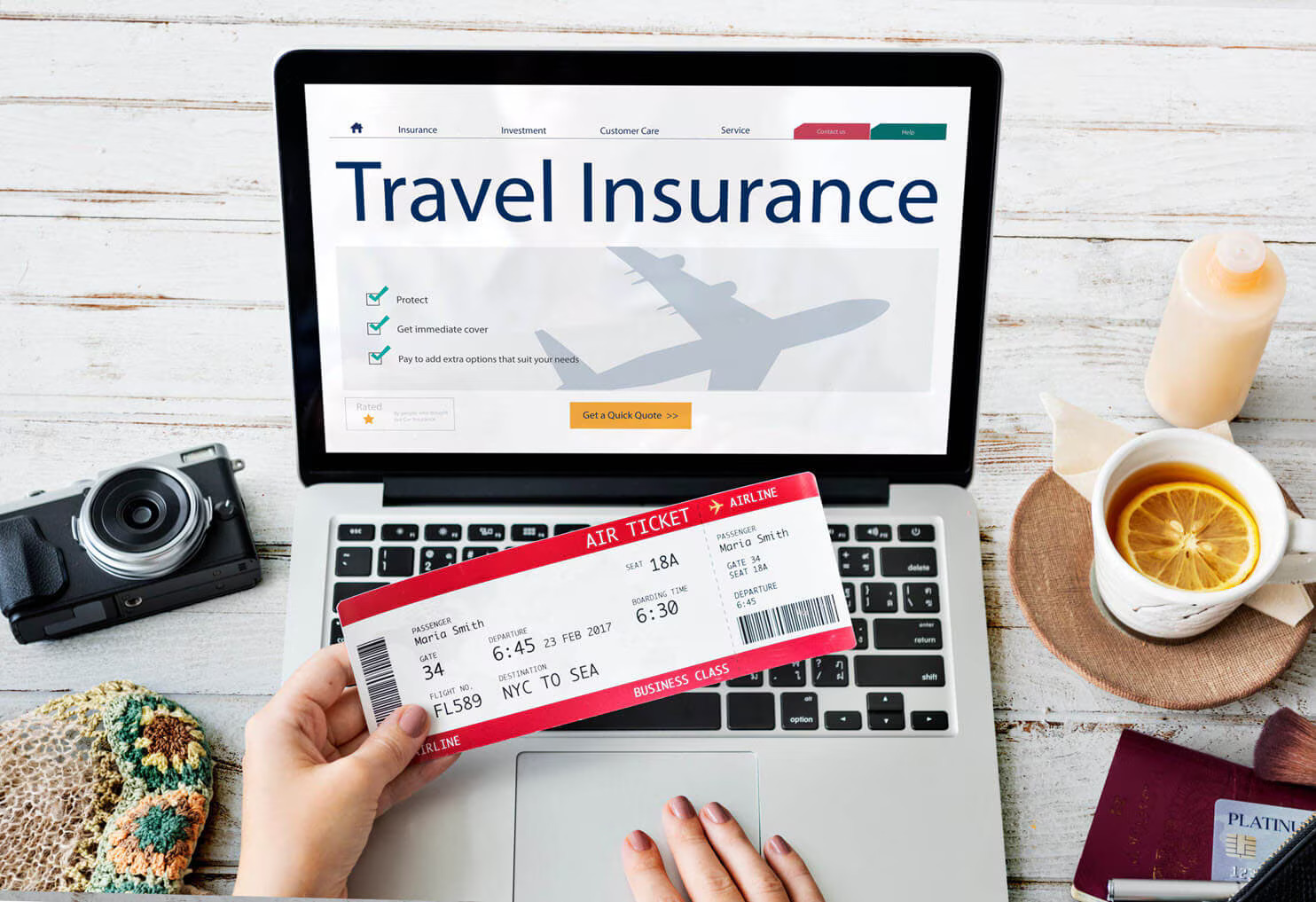
You just booked your dream trip. Flights, hotel, activities – all set. Then you see the checkout screen: "Add travel insurance? €49."
You hesitate. You never needed it before. Nothing ever went wrong. Is this just another way to take your money?
Here is the truth most travelers learn the hard way: Travel insurance is a waste of money – until it saves your entire trip. And when you need it, you really, really need it.
This guide helps you decide if travel insurance is worth it for your specific trip. Just a simple framework.
When Travel Insurance Is Absolutely Worth It
Travel insurance makes the most sense when a cancelled or interrupted trip would cost you more than the insurance premium. Here are the specific situations where experts say "yes, buy it."
1. You booked a non-refundable trip worth over €2,000
If your flights, hotels, or tours say "no refunds," you are taking a real risk. A family emergency, sudden illness, or work crisis could force you to cancel. Without insurance, you lose everything. With insurance (typically 4–8% of trip cost), you get 75–100% back.
Is travel insurance worth it for non-refundable flights? In most cases, yes. A €90 policy protecting a €3,000 trip is good math.
2. You are traveling to a country with expensive healthcare
Many travelers assume their health insurance works everywhere. It often does not. The US, for example, has no public healthcare for visitors. A broken ankle in New York can cost 15,000–
15,000–30,000. An emergency evacuation from a cruise ship? $100,000+.
Do I need travel medical insurance for international trips? If your regular health insurance has no or limited international coverage, buy travel insurance with at least $100,000 in medical coverage.
3. You are doing adventure activities
Skiing, scuba diving, hiking remote mountains, riding mopeds – these are fun. They also come with injury risk. Basic travel insurance often excludes "hazardous activities." You need a specific rider.
What does travel insurance not cover pre-existing conditions? Most standard policies exclude them. You need a "pre-existing condition waiver" purchased within 14–21 days of your first trip payment. The same applies to adventure sports – check exclusions carefully.
4. You cannot afford to lose the trip money
This is the simple rule: If losing the trip cost would hurt you financially, insure it. If you have €10,000 in savings and a €500 weekend trip gets cancelled, you absorb the loss. If a €3,000 trip represents your main vacation budget for the year, insure it.
When Travel Insurance Is Probably Not Worth It
In some situations, you can confidently skip travel insurance.
1. Your trip is cheap and refundable. A €200 flight on an airline that offers free changes? A hotel with 24-hour cancellation? Self-insure. Keep the €20 policy money in your pocket.
2. Your credit card already covers you. Many premium credit cards (Chase Sapphire, Amex Platinum, Visa Infinite) include travel insurance. Check your card's benefits before buying duplicate coverage. Coverage often includes trip cancellation, baggage delay, and rental car damage.
3. You have annual travel insurance. If you travel more than 2–3 times per year, an annual multi-trip policy (€100–250/year) is cheaper than per-trip policies.
4. Your destination has good healthcare and you have health insurance. Travel within the EU with a European Health Insurance Card (EHIC) or travel to countries with reciprocal healthcare agreements.
What Travel Insurance Actually Covers (The Fine Print)
To decide if it is "worth it," you need to know what you are buying. Policies vary wildly.
Typically covered:
- Trip cancellation or interruption (sickness, family death, jury duty, natural disaster)
- Emergency medical and dental (accidents, sudden illness)
- Medical evacuation (helicopter or air ambulance to a hospital)
- Baggage loss or delay (reimbursement for essentials)
- Flight delays (meals, accommodation)
- 24/7 assistance hotline
Often excluded (read carefully):
- Pre-existing medical conditions (unless you buy a waiver)
- Travel to countries with government travel warnings
- Pandemics (COVID-19 and future outbreaks are often excluded unless you buy specific "cancel for any reason" coverage)
- Adventure sports without a rider
- Alcohol-related incidents
- Pregnancy (after a certain week, usually 24–26 weeks)
- Theft from an unlocked or unattended bag
The "Cancel for Any Reason" Upgrade – Worth It?
Cancel for Any Reason (CFAR) is an expensive add-on (typically 40–60% more than standard insurance). It lets you cancel for any reason – even just changing your mind – and get back 50–75% of your trip cost.
When CFAR is worth it: You are booking far in advance (9+ months). Your plans might change (uncertain work schedule, expecting a baby, elderly parents). You are worried about a specific but uninsurable risk.
When CFAR is not worth it: You are traveling within 2–3 months and your plans are solid. The extra cost likely exceeds the benefit.
How to Pay Less for Travel Insurance
1. Compare multiple providers. Do not just click the airline's checkout box. Use comparison sites like Squaremouth, InsureMyTrip, or MoneySuperMarket. Prices for identical coverage vary by 50%+.
2. Buy early. You get the most coverage (including pre-existing condition waivers) if you buy within 14 days of your first trip payment. Waiting loses benefits.
3. Take the highest deductible you can afford. Increasing your deductible from €0 to €250-500 lowers premiums by 20–40%.
4. Skip baggage coverage if you have nothing expensive. That old laptop and two pairs of jeans? Self-insure. Only insure bags with €500+ of contents.
5. Check if you are already covered. As noted above, premium credit cards and some employer health plans already provide travel protection.
The Decision Framework: 4 Questions
Before you click "buy," ask yourself:
- Can I afford to lose the full trip cost? Yes? Skip. No? Buy.
- Does my regular health insurance work at my destination? Yes? Maybe skip. No? Buy medical coverage.
- Am I doing risky activities? Yes? Buy adventure sports coverage.
- Does my credit card already cover me? Yes? Use that. No? Consider a basic policy.
Travel insurance is not a scam. It is also not always necessary.
For a €500 weekend in a nearby country where your health insurance works? Probably skip it. For a €5,000 family vacation to a place with expensive healthcare? Buy it immediately.
If you are still asking yourself "is travel insurance worth it for a domestic trip," the answer is often no – your regular health insurance and car insurance likely cover you.
But if you are wondering "do I need travel medical insurance for international trips" to places like the USA, the answer is a clear yes.
The worst-case scenario is not "wasting" €50 on insurance you did not need. The worst-case scenario is losing €5,000 because you wanted to save €50.
Insurance is not about what you expect to happen. It is about what could happen. Travel smart. Decide based on your trip, your budget, and your peace of mind.