What to Do If You Hate Your Job but Can't Afford to Quit
You're Trapped - Or Are You?
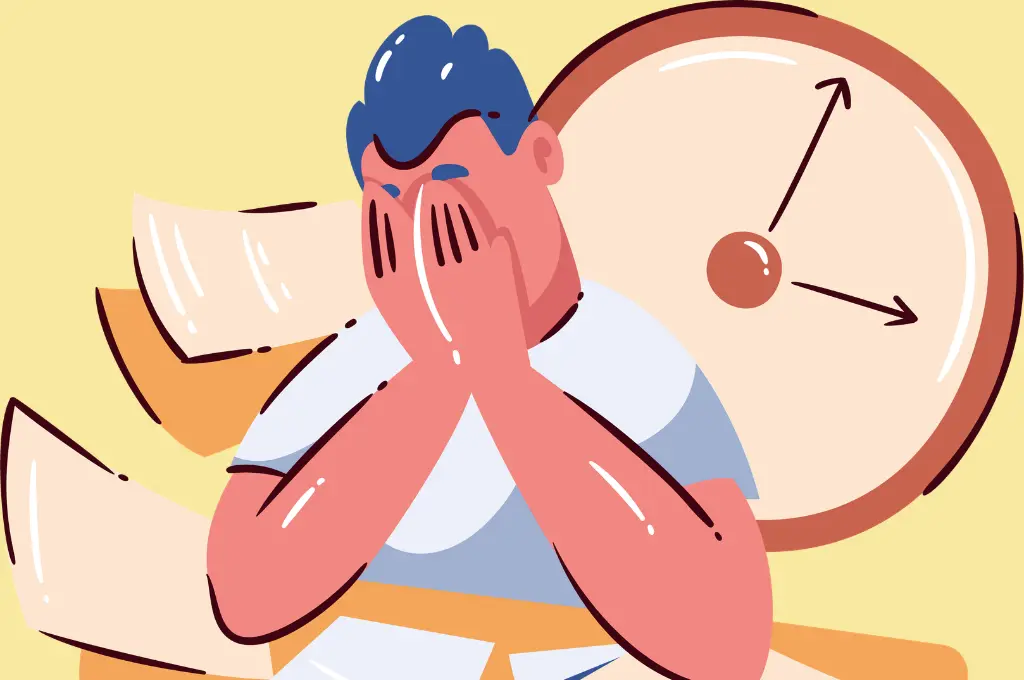
You wake up dreading the day. You count down the hours at your desk. You fantasize about quitting every single week but your rent is due, your savings are thin, and walking out the door isn't a real option right now.
You're not alone. Millions of people are stuck in jobs they hate simply because they can't afford the financial risk of leaving. The problem isn't weakness or lack of ambition. The problem is that quitting without a plan is genuinely dangerous and staying without a plan is slowly draining you.
This guide is for people in that exact gap: too miserable to stay forever, too financially exposed to leave today.
Step 1: Separate the Emotion from the Math
When you hate your job, every day feels urgent. But making a major career decision while emotionally exhausted almost always backfires. Before anything else, get clear on your actual numbers.
Ask yourself: how many months could you survive without income? Most financial experts recommend a 3–6 month emergency fund before any voluntary job change. If you don't have that, you don't have the freedom to quit yet. The word "yet" matters.
Calculate your bare minimum monthly expenses: rent, food, utilities, transportation, debt payments. This is your survival number. Everything else is a want, not a need. Knowing this number gives you power, because now you know exactly what target you're working toward.
Step 2: Stop Trying to Escape - Start Building an Exit
There's a big difference between quitting and leaving strategically. Quitting is reactive. Leaving strategically is intentional.
Start building your exit while you still have income. This means doing two things simultaneously: cutting costs to accelerate your savings, and increasing your income on the side so you're not solely dependent on a job you resent.
Even saving an extra $200–$300 per month changes your timeline dramatically. In 12 months, that's $2,400–$3,600 toward the financial cushion that makes quitting possible. It's not exciting, but it's the foundation.
Step 3: Start a Side Income While You Still Have a Salary
This is the move most people overlook because they're too exhausted after work to think about starting something new. But here's the reality: starting a side income while employed is dramatically easier than starting one while unemployed and desperate.
You don't need a business. You need an extra income stream. Some options that require low startup costs and can be done outside of working hours include freelance writing, graphic design, tutoring, bookkeeping, virtual assistance, selling digital products, or offering a skill you already use in your current job.
The goal at this stage isn't to replace your income overnight it's to reduce your dependence on a single paycheck so leaving becomes less financially terrifying.
Step 4: Quietly Start Job Searching Now
One of the most common mistakes people make when they hate their job is waiting until they're completely burned out before they start looking. By that point, desperation clouds judgment and leads to accepting the first offer which is often another bad fit.
Start searching now, while you're still employed. Being currently employed actually makes you more attractive to recruiters. You're not looking from a place of panic. You have the luxury of being selective.
Update your LinkedIn profile. Reconnect with former colleagues. Set up job alerts. Treat the job search like a part-time project with a consistent weekly time commitment even just two to three hours a week moves you forward faster than doing nothing while waiting to feel "ready."
Step 5: Address What's Actually Making You Miserable
Before you assume you need a completely new career, get specific about what you hate. Is it the company culture? Your manager? The work itself? The commute? The pay? The lack of growth?
This matters because the fix might not require quitting at all it might require a transfer, a conversation, or a different role in the same industry.
If it's your manager, that's solvable with a new employer. If it's the industry itself, that's a bigger change and requires more planning. If it's your compensation, that may be addressable through negotiation before you ever need to leave.
Getting precise about the source of your unhappiness prevents you from making the same mistake twice in your next role.
Step 6: Protect Your Mental Health in the Meantime
Staying in a job you hate has real mental and physical costs. Chronic workplace stress is linked to burnout, anxiety, disrupted sleep, and long-term health problems. You cannot afford to ignore this while you build your exit plan.
Set hard boundaries where you can no work emails after a certain hour, actual lunch breaks, using your paid time off. Find small things outside of work that restore your energy rather than drain it further. Talk to someone if the stress is becoming unmanageable.
Protecting your mental health isn't a luxury. It's what keeps you functional enough to execute the plan.
Step 7: Give Yourself a Deadline
Open-ended suffering is the worst kind. One of the most powerful things you can do for your mental state is set a concrete date not to quit, but to reassess.
Tell yourself: in six months, I will evaluate where I am. By then you'll have more savings, a possible side income, potentially some job interviews underway, and a clearer picture of your options. Knowing there's a defined point where things could change makes the present far more tolerable.
The Honest Truth About Being Stuck
Hating your job while feeling financially trapped is one of the most stressful positions a person can be in. But it is temporary if you treat it that way.
The people who get out successfully aren't the ones who quit impulsively. They're the ones who used the time they had to build options quietly, deliberately, and without burning anything down.
You don't need permission to want better. You just need a plan.
Start the plan today. Even one small step.